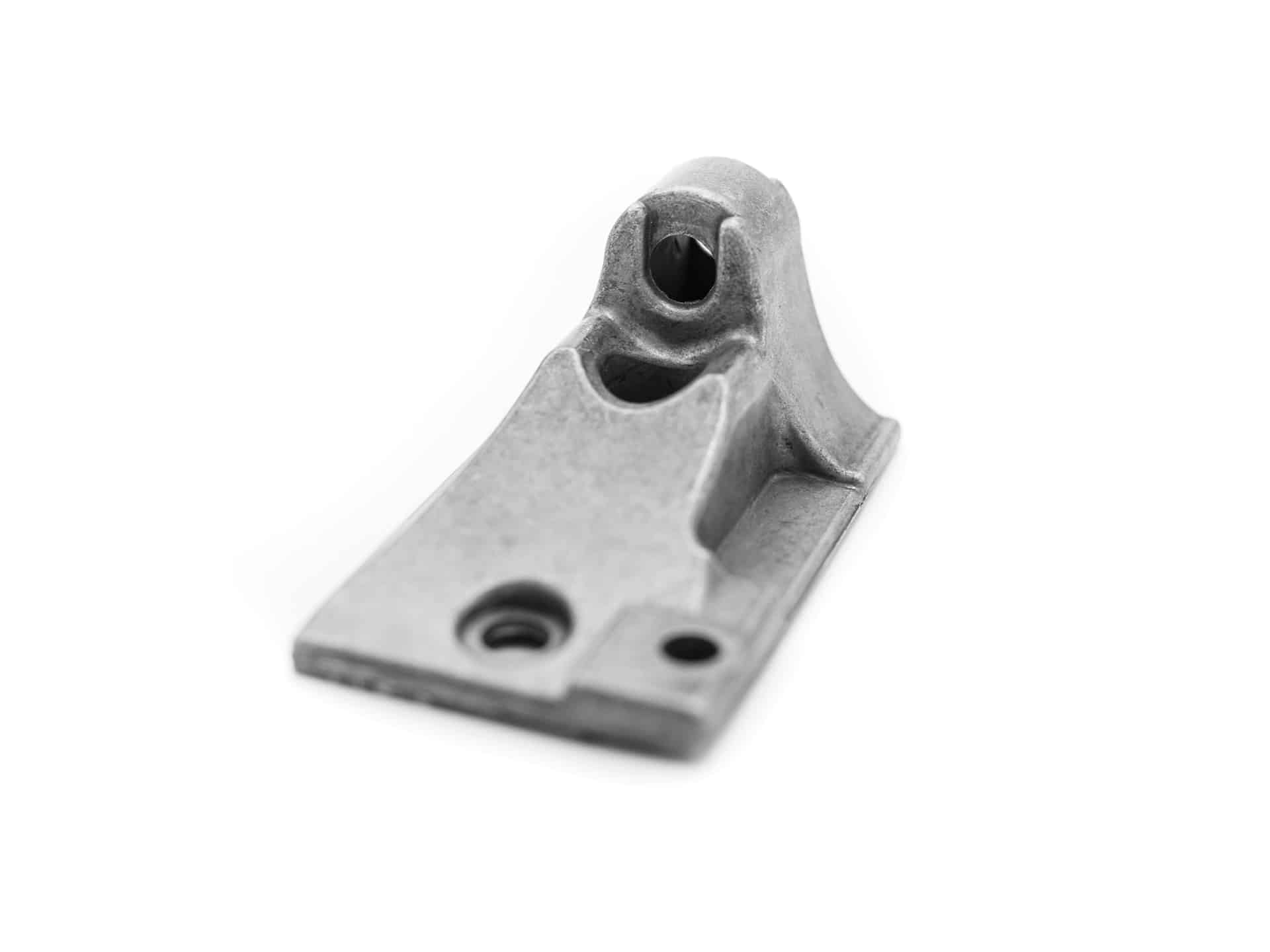
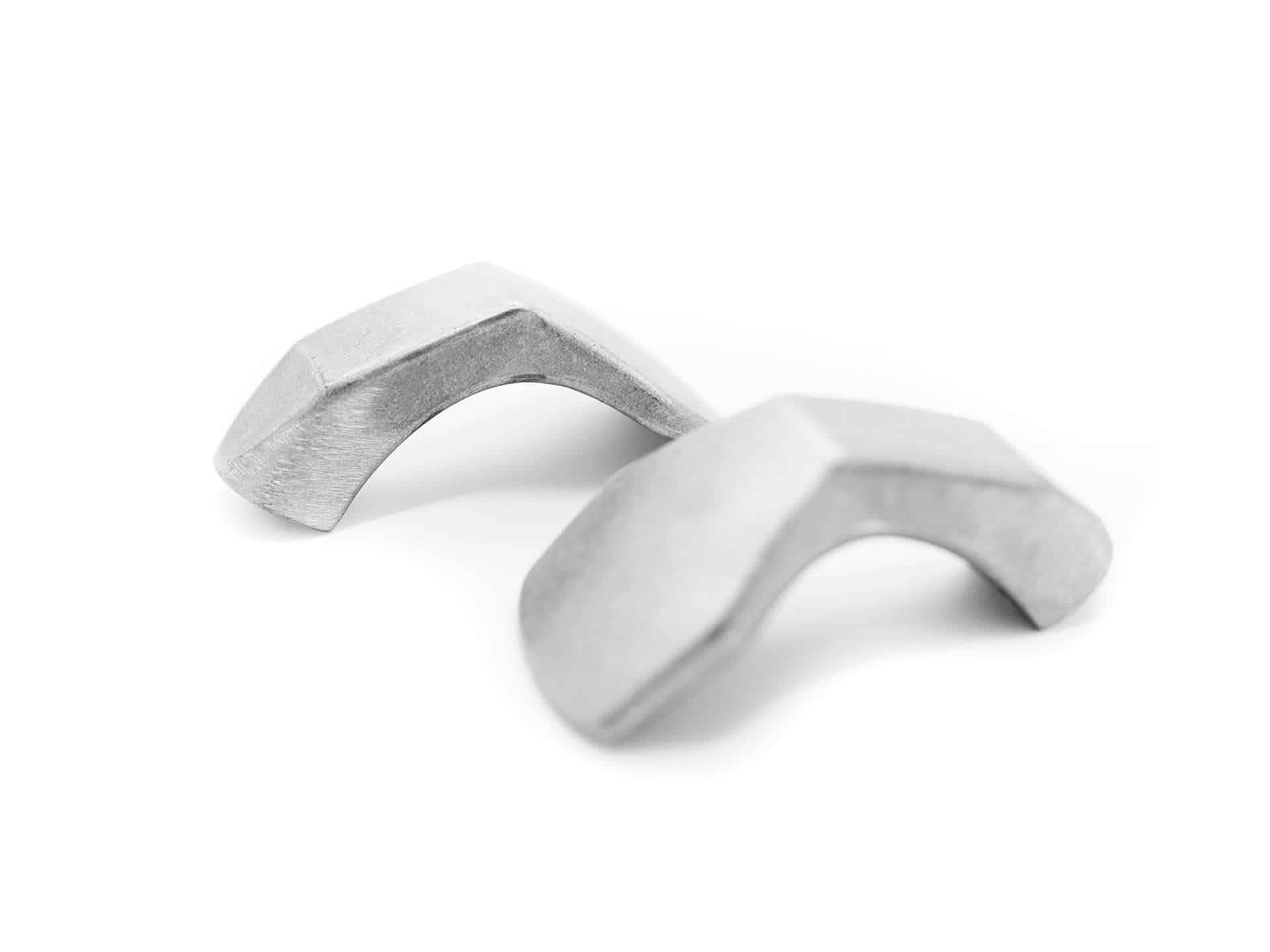
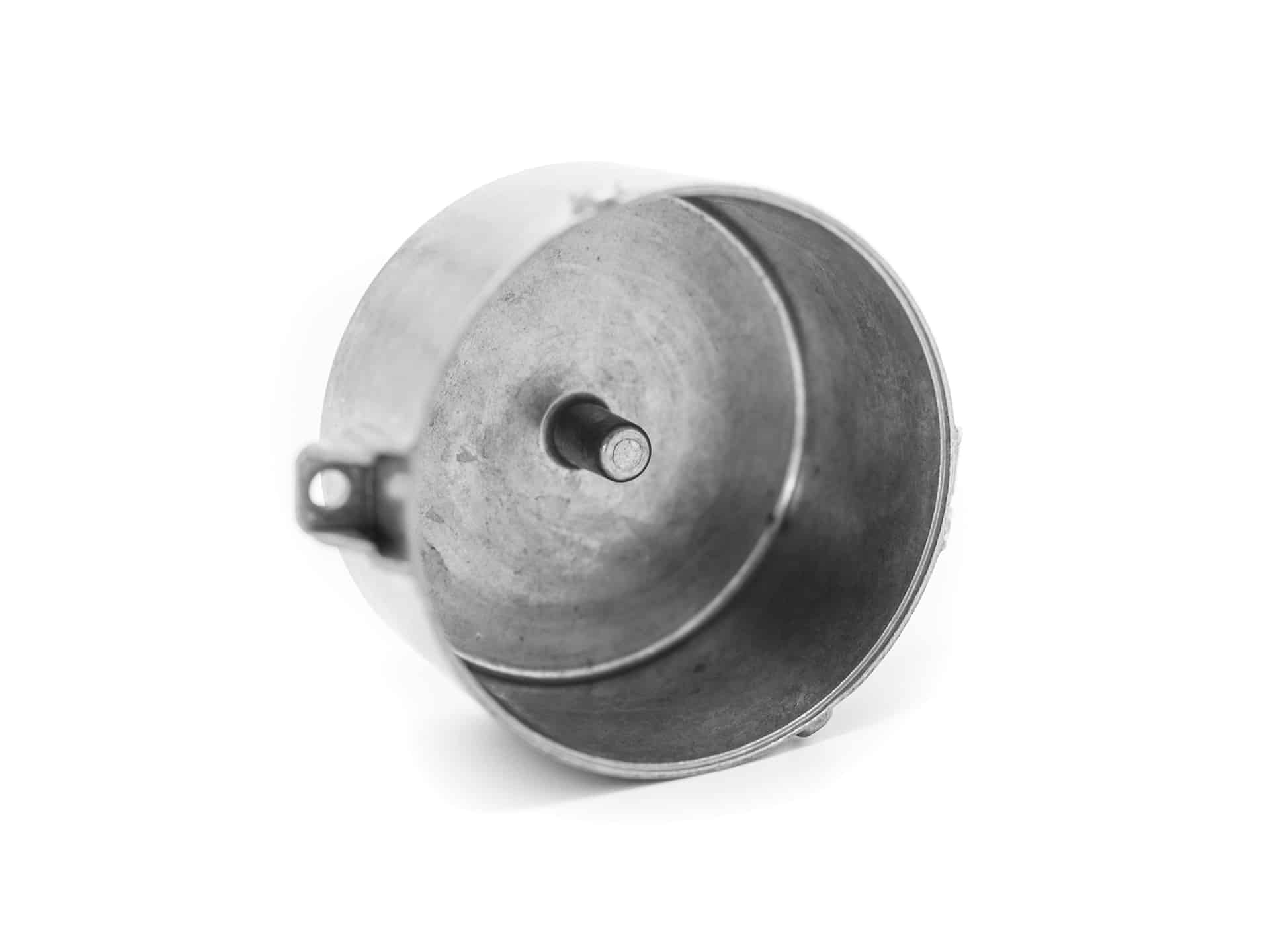
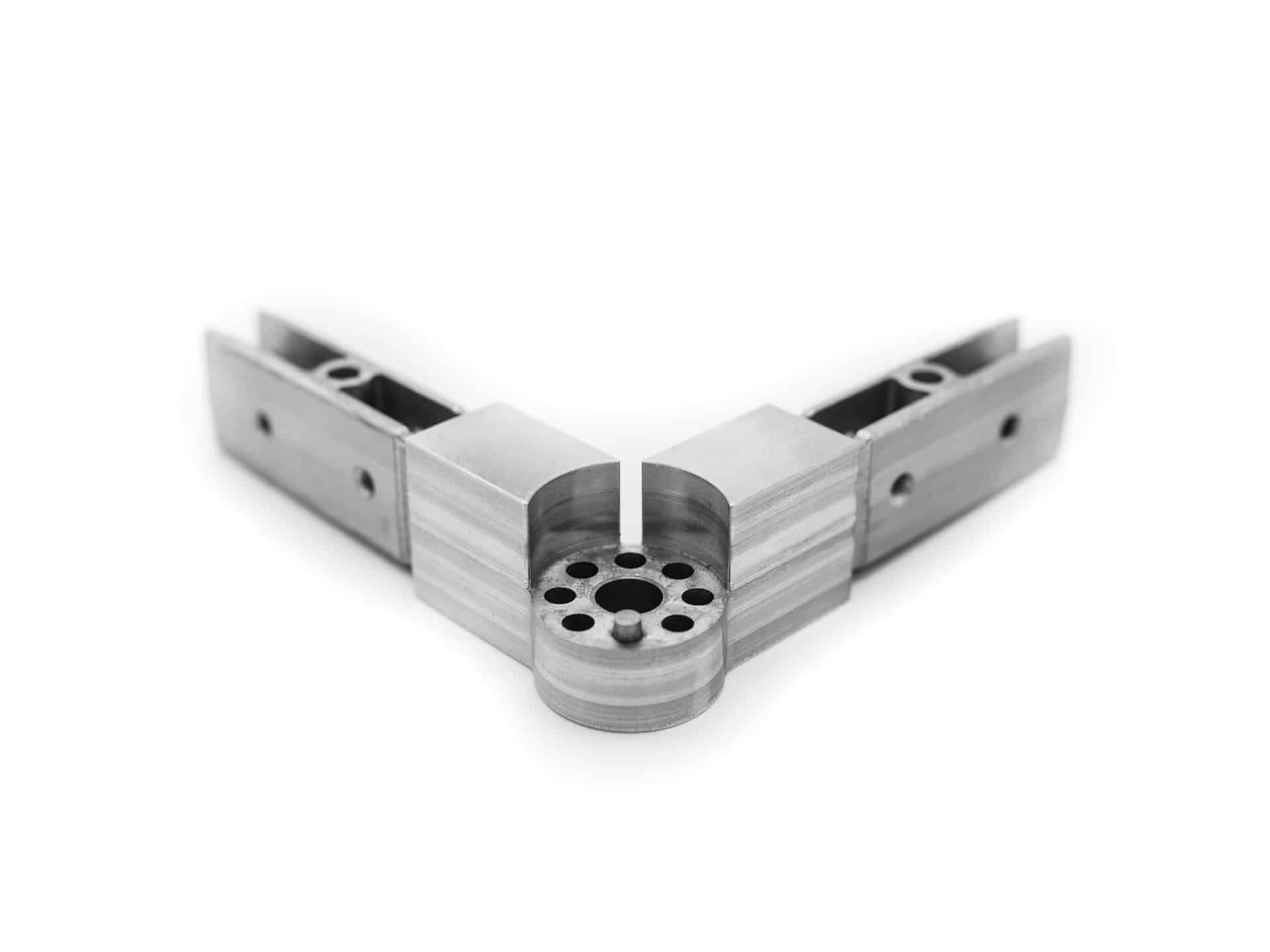
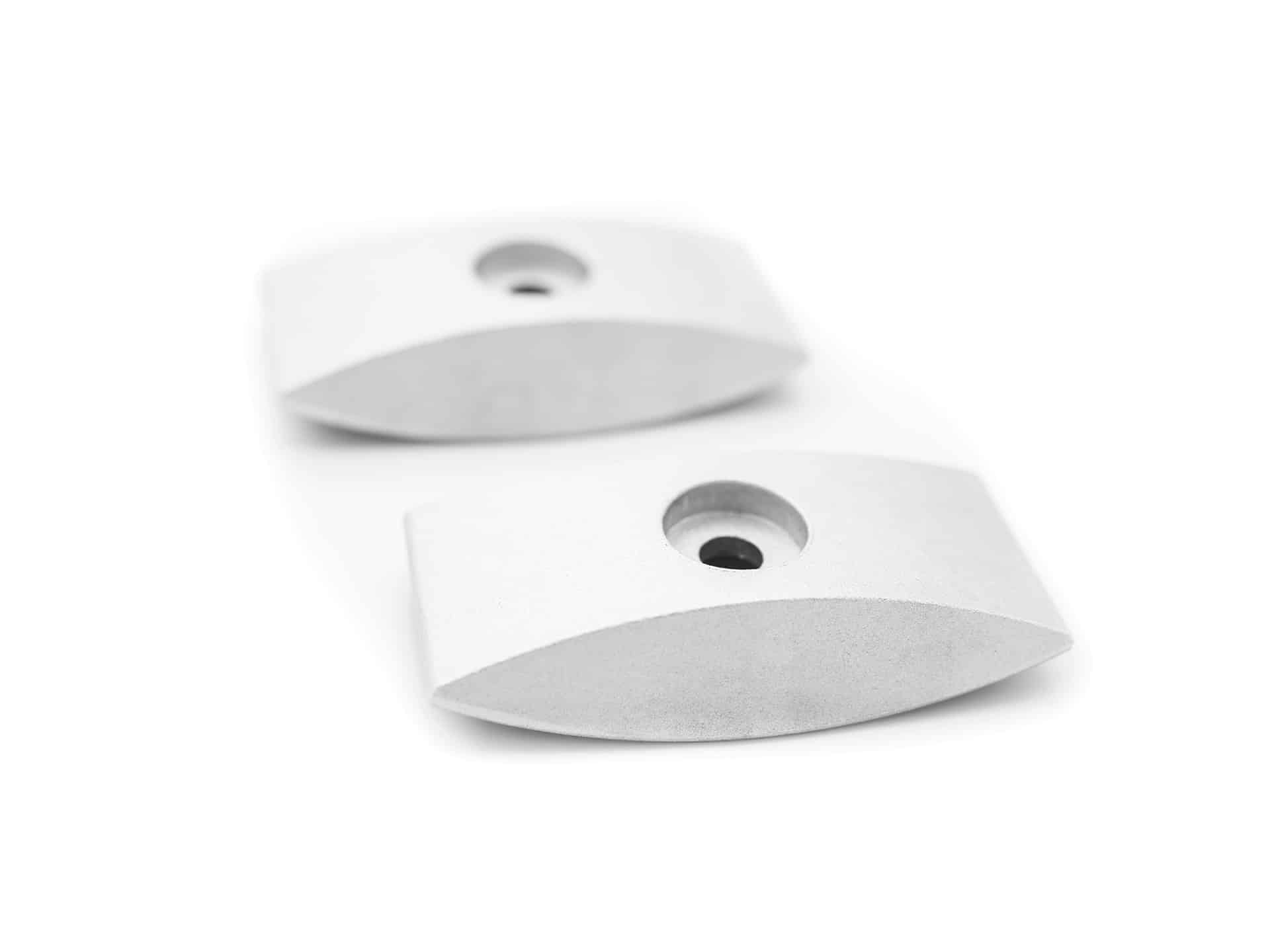
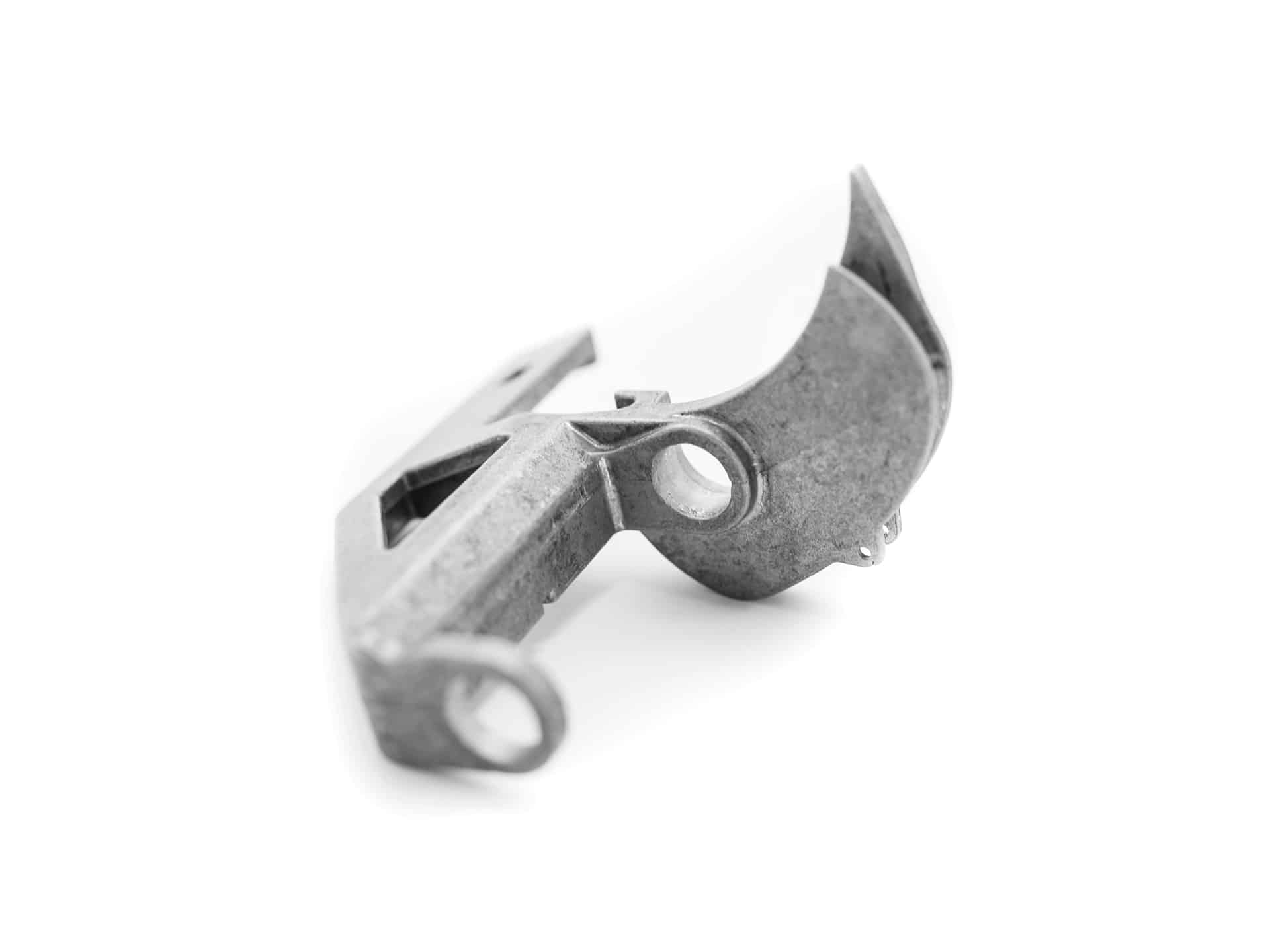
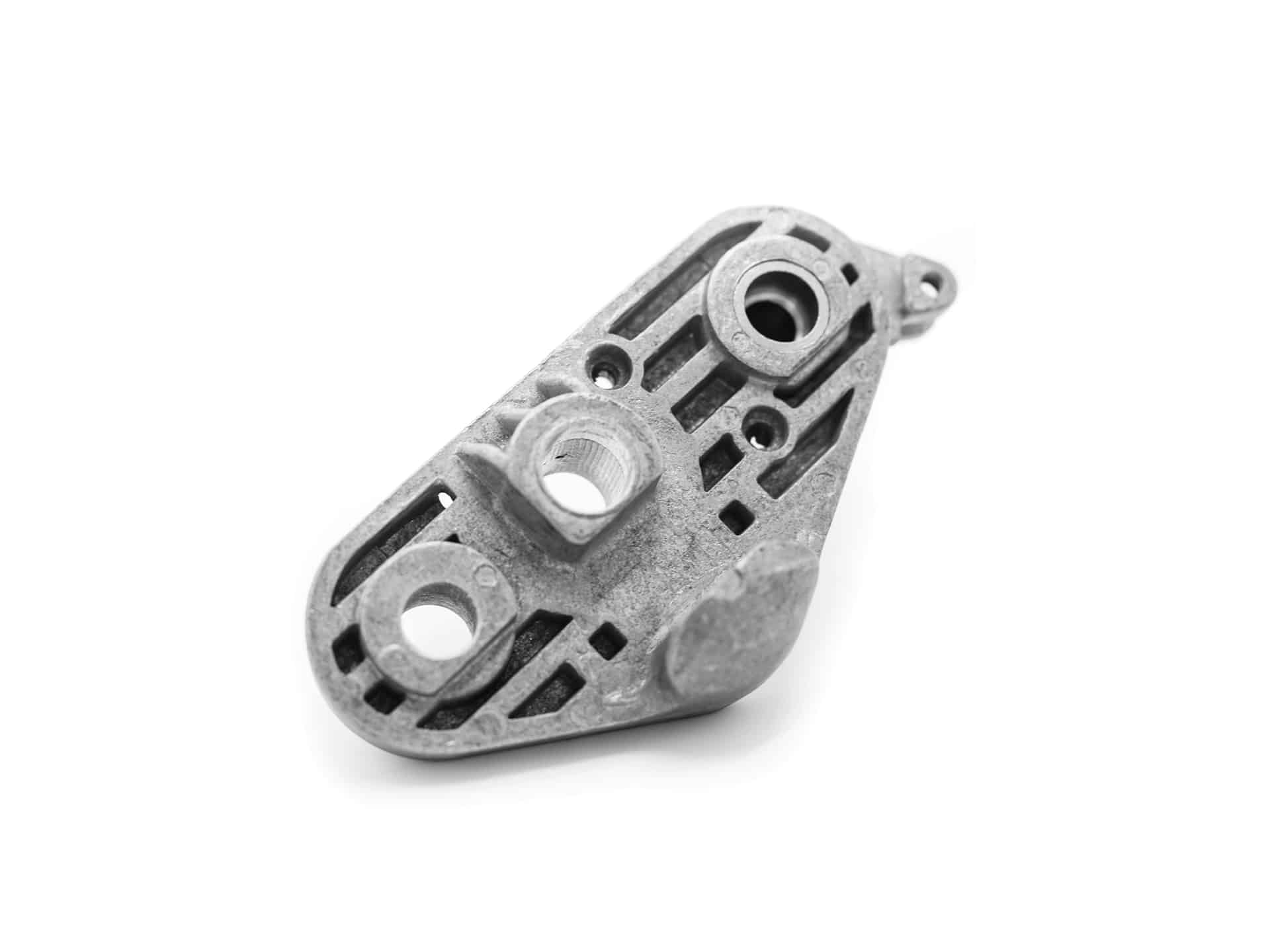
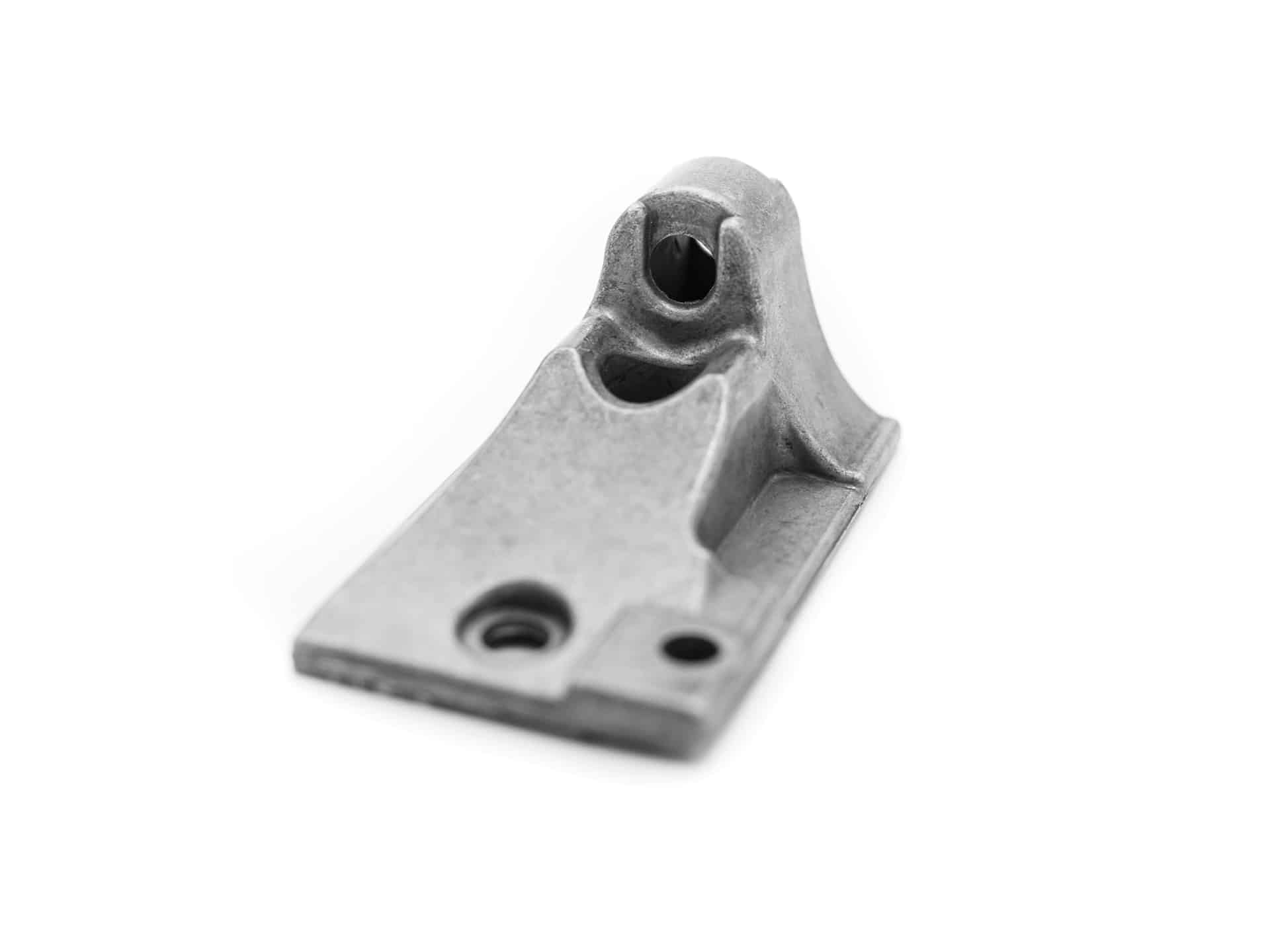
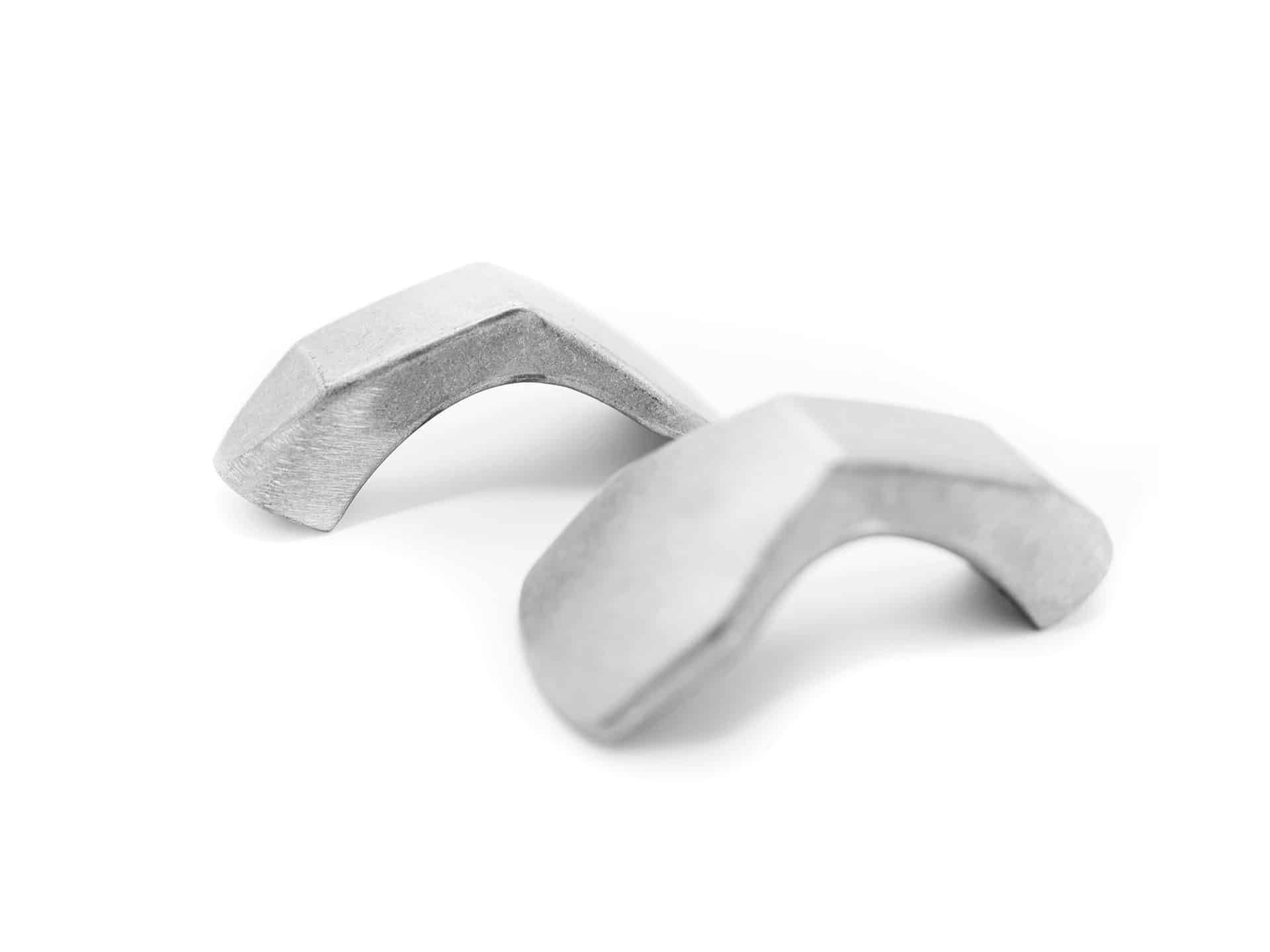
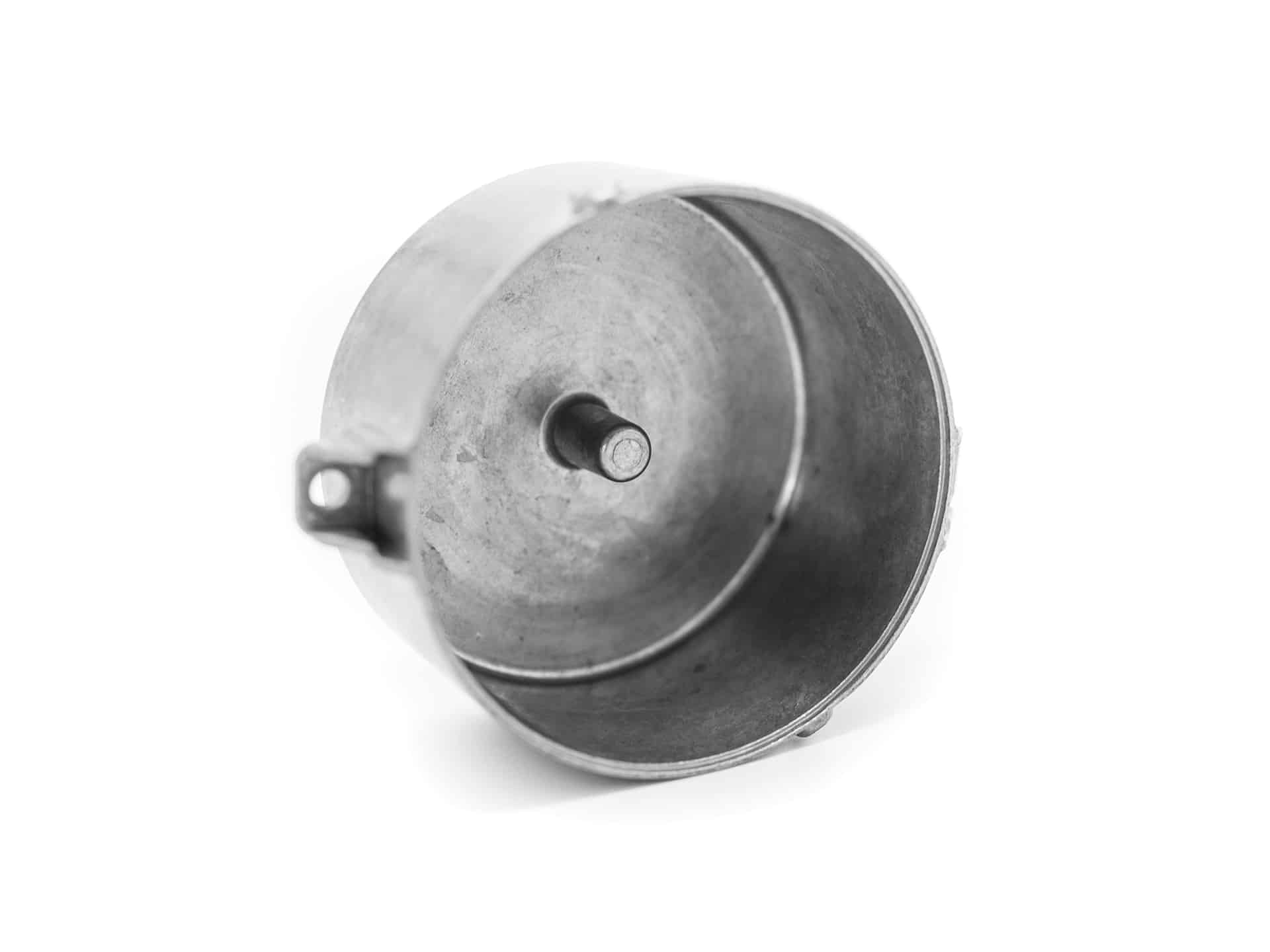
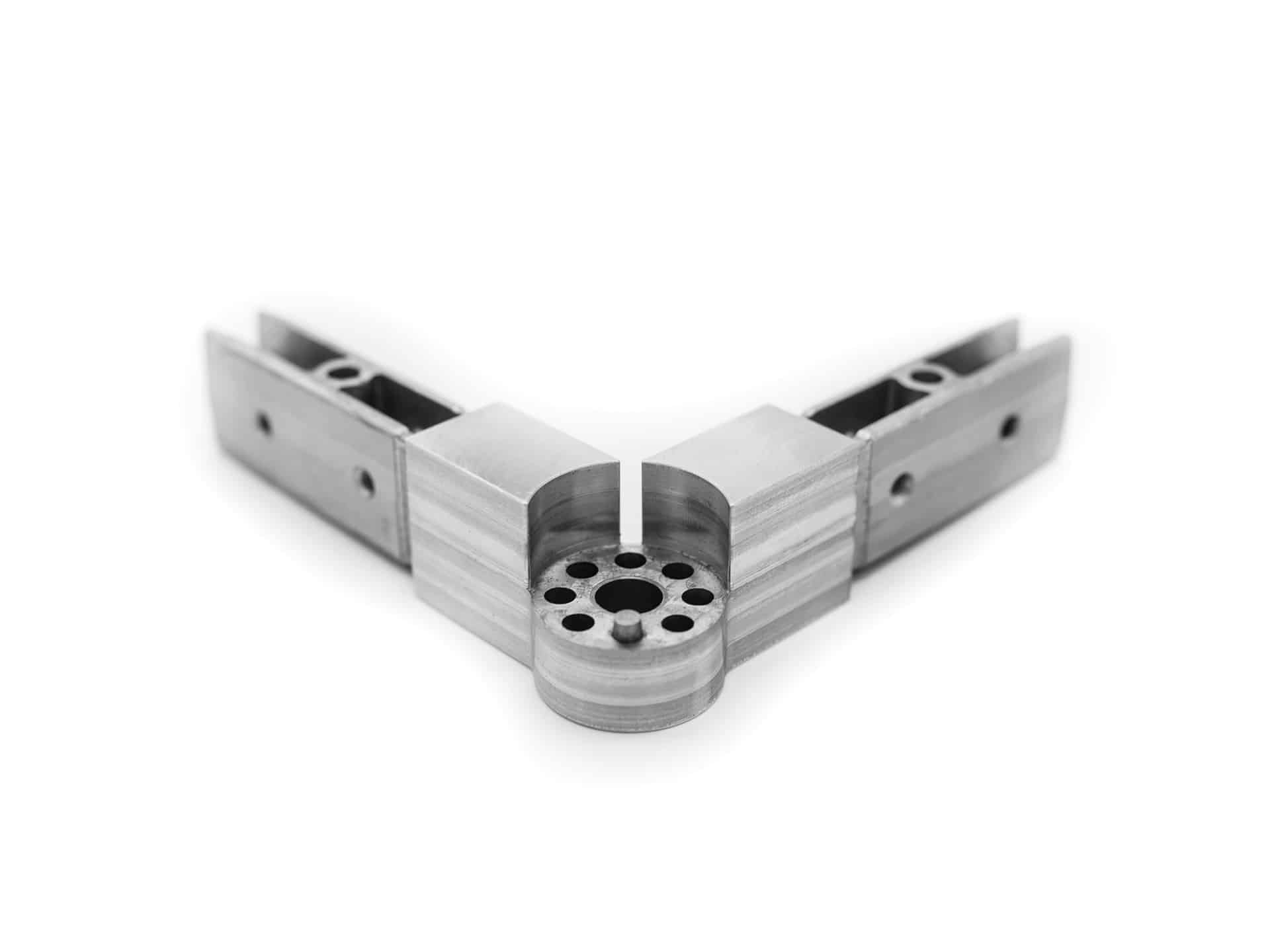
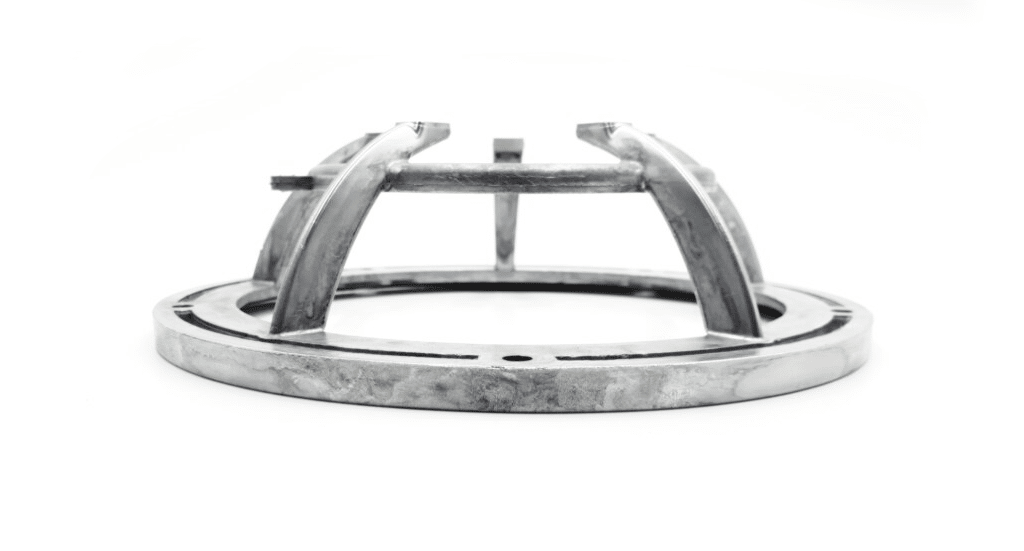
We manufacture aluminum die casting molds in our own tool shop, streamlining the implementation process and allowing us to control quality, costs, and deadlines.
Our work includes 3D design, prototyping, and CNC mold construction.
The direct connection between the tool shop and the aluminum foundry enables us to quickly launch mass production, efficiently implement adjustments, and maintain a stable, repeatable die casting process.
We produce aluminum die casting molds in our own tool shop, which streamlines the implementation process and allows us to control quality, costs, and deadlines.
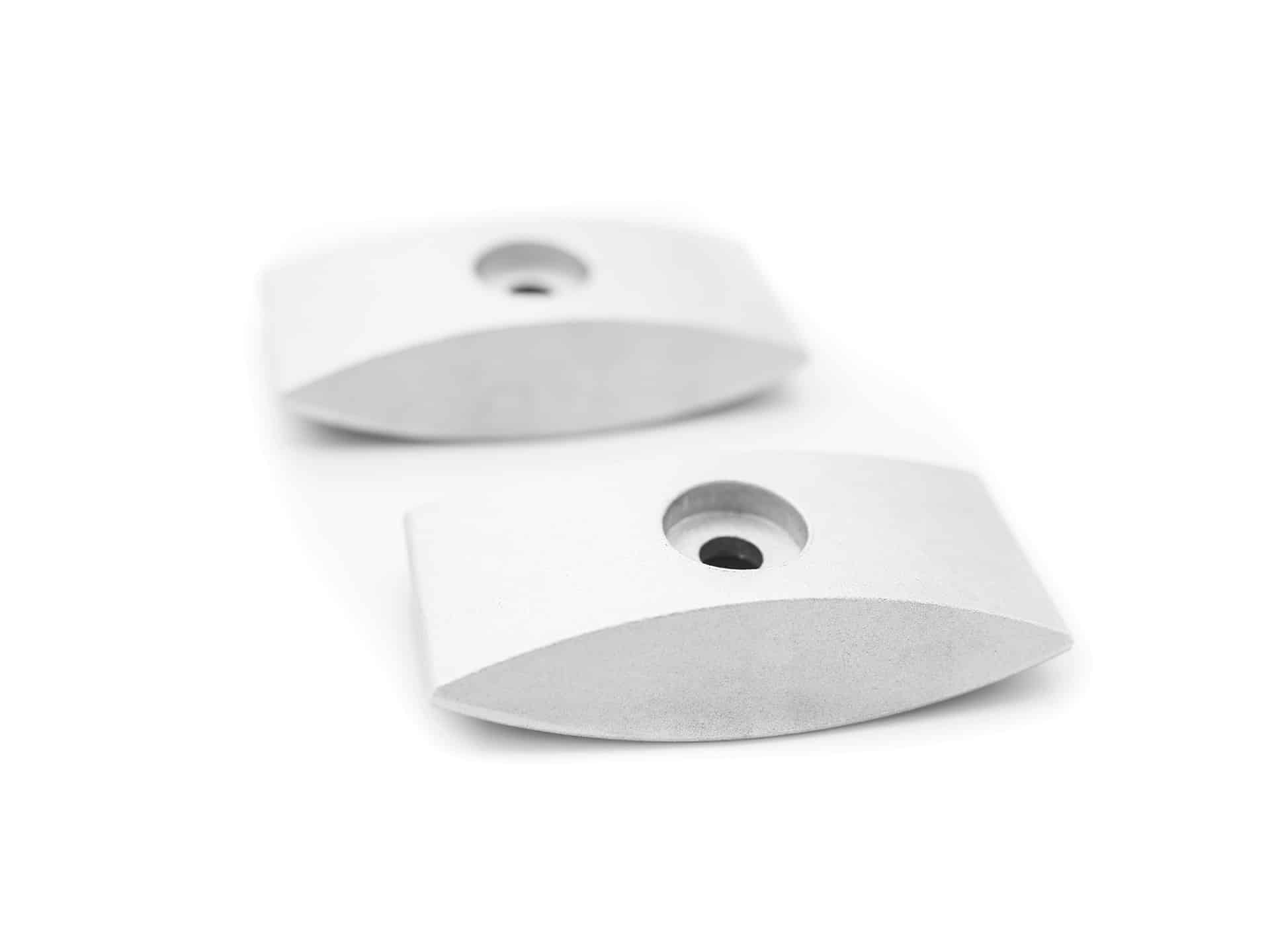
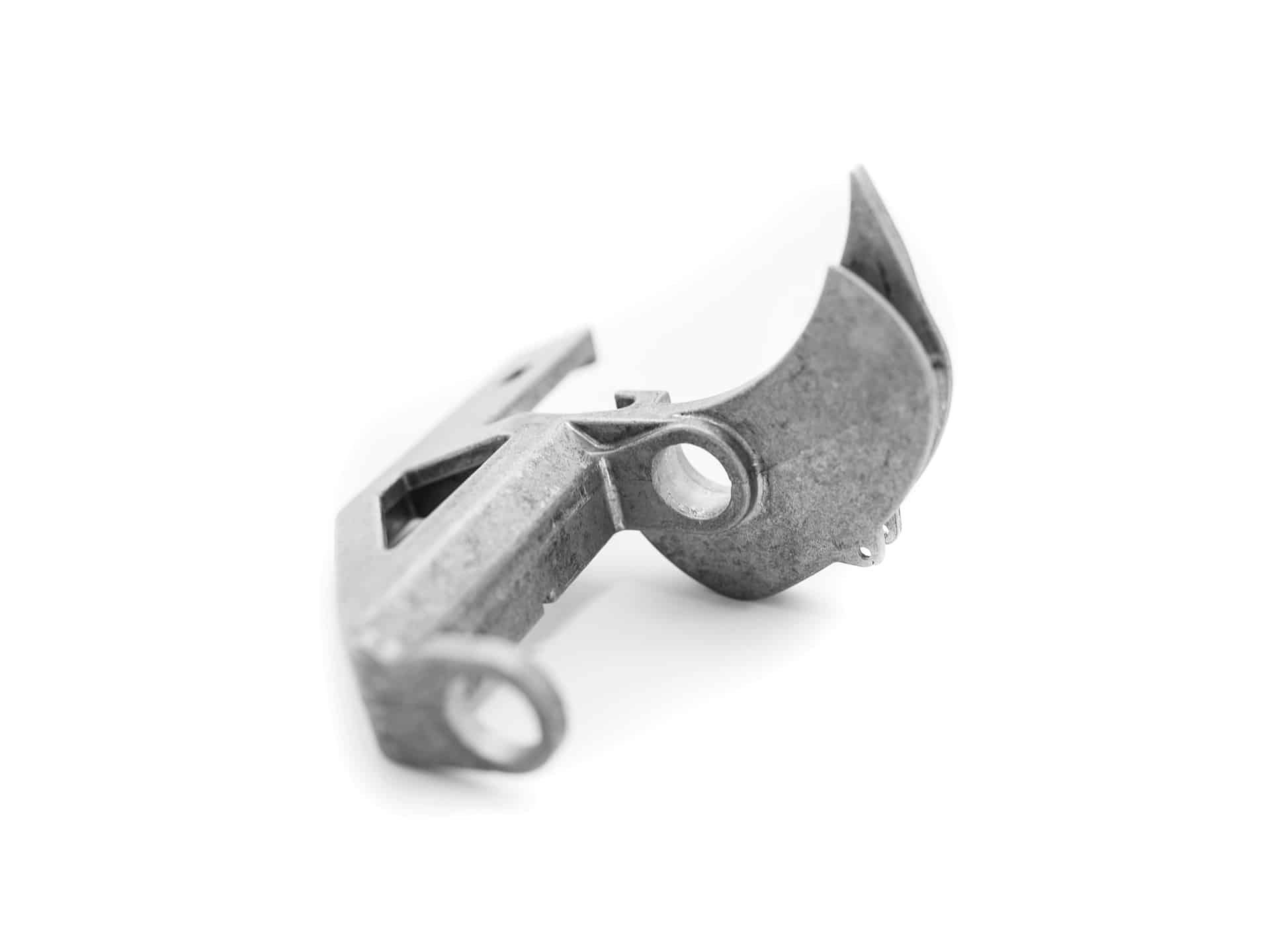
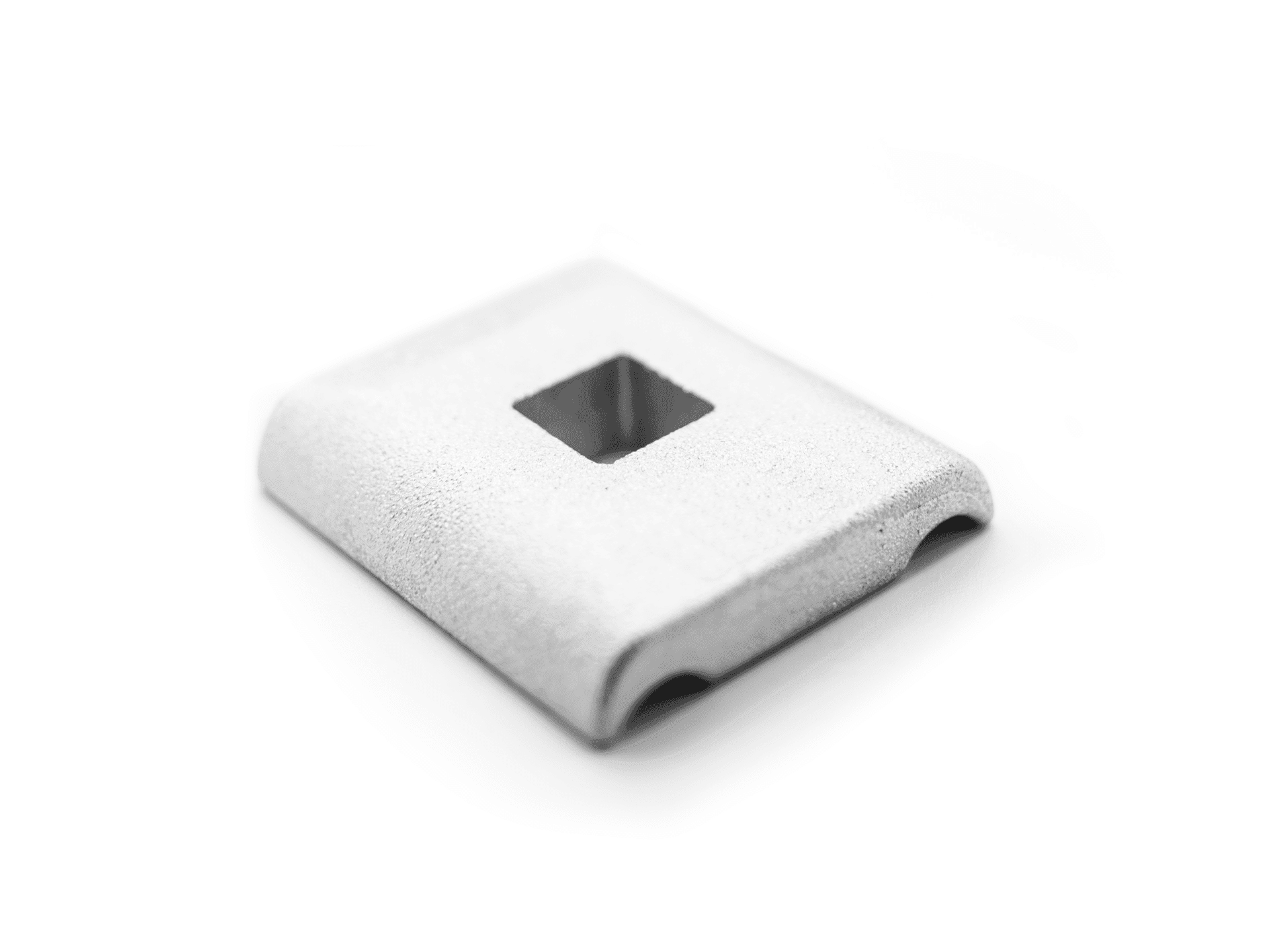
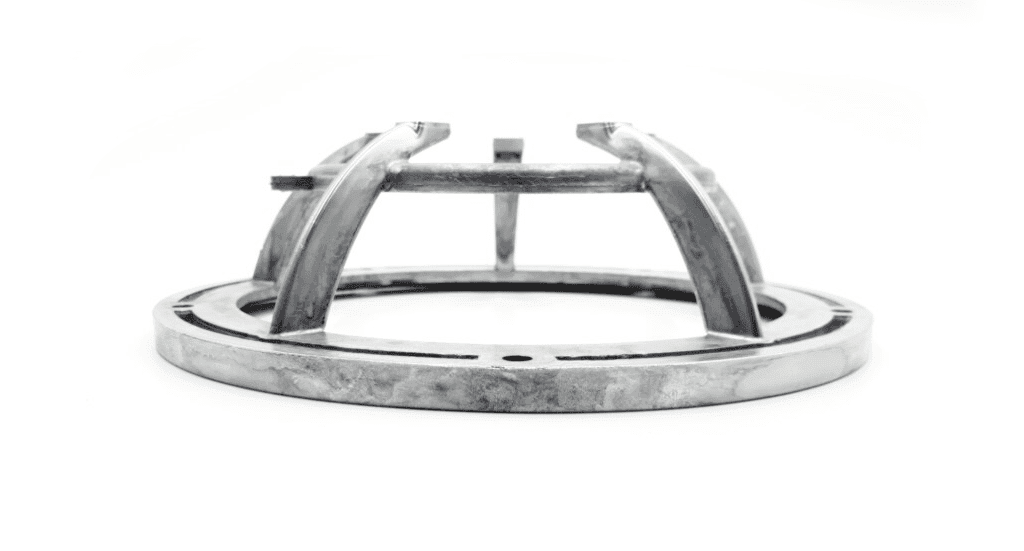
We produce aluminum alloy parts using die casting, ensuring high dimensional accuracy and consistent quality in both mass and large-scale production.
The process involves injecting liquid aluminum under high pressure into a precision mold, ensuring consistent parameters from batch to batch.
Aluminum die castings are characterized by good mechanical properties, high strength, and a smooth, aesthetically pleasing surface, often without the need for additional machining.
The precision of the process reduces tolerance and assembly issues, increasing component reliability.
Die casting technology enables the production of components with complex geometries while maintaining a stable process, predictable costs, and the quality expected from long-term production partnerships.
We produce parts from aluminum alloys using the die casting method, ensuring high dimensional accuracy and repeatable quality in serial and large-scale production.
The process involves injecting liquid aluminum under high pressure into a precision mold, ensuring consistent parameters from batch to batch.
Aluminum die castings are characterized by good mechanical properties, high strength, and a smooth, aesthetically pleasing surface, often without the need for additional machining.
The precision of the process reduces tolerance and assembly issues, increasing component reliability.
Die casting technology enables the production of components with complex geometries while maintaining a stable process, predictable costs, and the quality expected from long-term production partnerships.
Our constantly evolving machinery enables the production of increasingly larger components.
Modern technologies enable the implementation of even the most demanding projects.
Technical parameters of finished parts:
Clamping force of aluminum injection moulding machines up to 700 tonnes
Maximum piece weight up to 4000 g
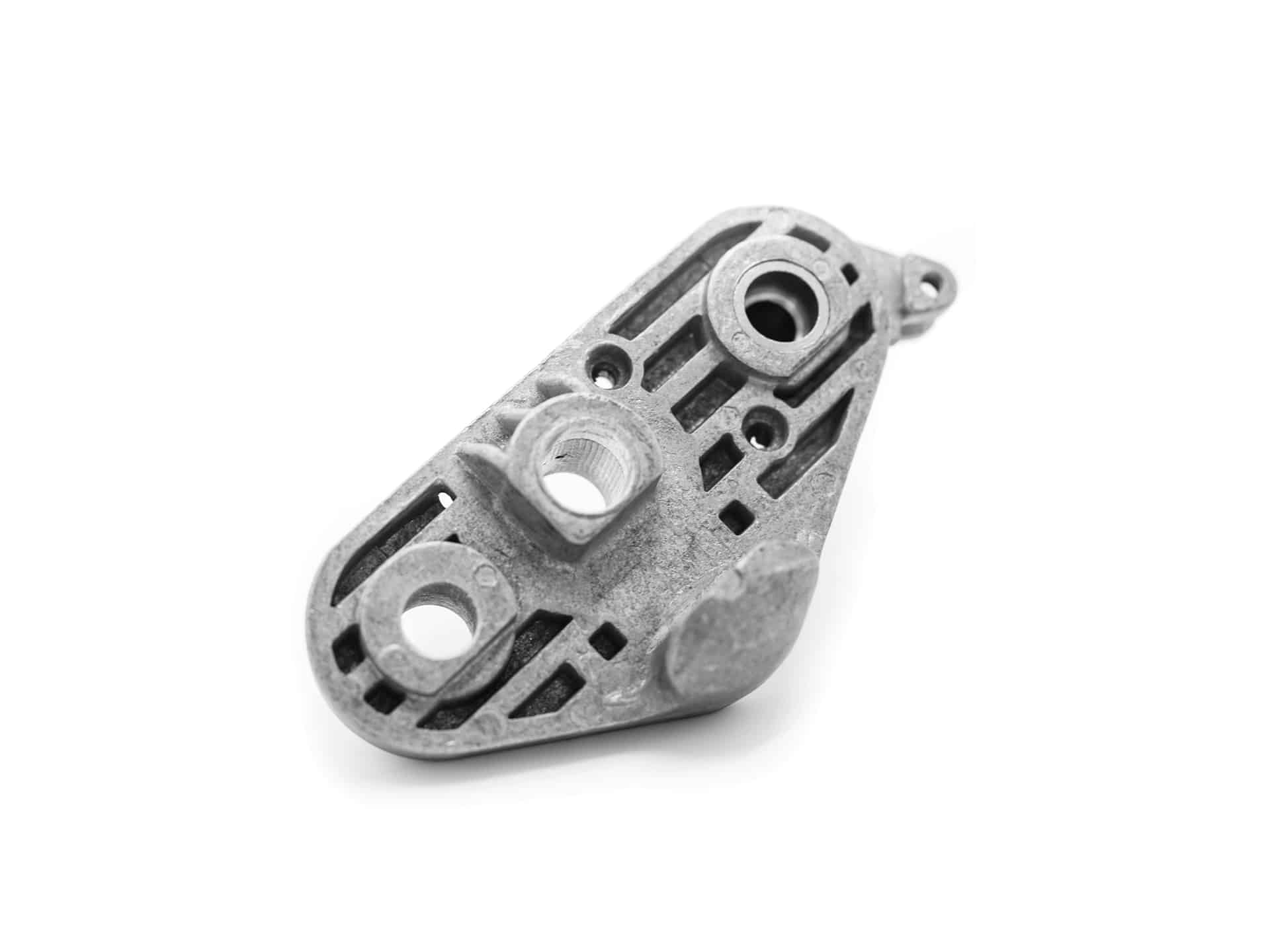
We manufacture aluminum die castings for technical and industrial applications. Die casting technology enables the production of components with complex geometries, high precision, and consistent quality.
We focus on dimensional repeatability, process stability, and compliance with technical documentation, minimizing the risk of corrections during assembly and end-use.
We specialize exclusively in aluminum die casting. All our technology, machinery, and production processes are optimized for aluminum alloys – we do not cast from zamak, bronze, or copper.
We most often work with DIN 231 (EN AC-47100) and DIN 226 (EN AC-46000) alloys, which provide excellent castability, dimensional stability, and mechanical properties essential for mass production and further mechanical and surface finishing.
We always tailor alloy selection to the specific project and customer requirements – taking into account operating conditions, loads, assembly method, and expected durability. Ensuring stable, repeatable production from batch to batch is key.
We specialize exclusively in aluminum die casting. All our technology, machinery, and production processes are optimized for aluminum alloys – we do not cast from zamak, bronze, or copper.
We most often work with DIN 231 (EN AC-47100) and DIN 226 (EN AC-46000) alloys, which provide excellent castability, dimensional stability, and mechanical properties essential for mass production and further mechanical and surface finishing.
Aluminum die casting ensures high repeatability and precision of detail. However, in many projects, additional aluminum processing, tailored to assembly, functional, and aesthetic requirements, is a key step.
We process castings with finishing treatments tailored to their intended use.
Our in-house technology includes grinding, shot blasting, rotary drum processing, and surface smoothing, which allows us to achieve the appropriate roughness, aesthetics, and preparation of components for further production processes, such as assembly or precision machining.
The aluminum production and processing process is supported by automated stations and manipulators, which increase repeatability, efficiency, and safety. Each stage is carried out in a controlled manner, with emphasis on parameter stability and compliance with technical documentation.
The combination of die casting technology, the team’s experience, and aluminum processing facilities allows us to implement projects with high quality requirements while maintaining process predictability and on-time delivery.

Our specialty is aluminum pressure casting (die-casting). This technology is best suited for mass production of components with high repeatability, good surface quality, and stable dimensional parameters. Aluminum die-casting allows for the cost-effective production of parts with complex geometry, and for industrial projects where not only unit price but also predictable quality and delivery times are important.
Minimum order quantity: 30,000 pieces. We handle medium- and high-volume production, including long-term projects where continuity of supply and the ability to plan production based on the customer’s annual demand are essential. This model of cooperation is particularly attractive to purchasing departments seeking a stable production partner.
Yes, we manufacture aluminum casting molds, providing both design and production, as well as ongoing support during operation. This ensures that the mold is tailored from the outset to the specific part, production volume, and quality requirements, significantly reducing the risk of problems in mass production.
To prepare a quote, we require 2D technical drawings or 3D models, information on planned production quantities, the required aluminum alloy, and any additional operations, such as CNC machining or assembly. In practice, we often support clients already at the documentation analysis stage, helping to refine technical assumptions in a cost-effective manner.
Yes, after casting, we perform CNC machining of the aluminum, including milling, drilling, threading, and grinding. This provides the customer with a finished component that can be directly used in the subsequent production process without the need for additional subcontractors.
We handle projects that require component assembly or additional finishing operations, allowing clients to simplify their supply chain and reduce the number of suppliers. This approach is particularly valued in mass production, where logistics and process repeatability are key. Of course, this depends on the complexity of the detail (number of parts, type of components) and the client’s arrangements. However, most often, we ship finished components directly to the client’s warehouse, and after receiving all the necessary components from various sub-suppliers, the client assembles the product themselves.
We produce castings using proven aluminum alloys designed for die-casting, always selected with the end use in mind, along with strength, tightness, and corrosion resistance requirements. Material selection is always consulted with the client. The most commonly processed alloys are DIN231, or 47100, and DIN226, or 46000.
We produce aluminum castings with a maximum weight of 4000 grams. Each project is individually analyzed for size, weight, and design optimization. This often allows for lower unit costs without compromising quality.
Thanks to pressure casting technology and additional CNC machining, we are able to maintain stable and repeatable dimensional tolerances, which is crucial in projects where aluminum components are sent directly to customer assembly lines. Because aluminum components always require post-processing, we design molds with an appropriate allowance, which is then polished along with the sprues. Customers receive the exact dimensions they need. The molds are manufactured with a cavity accuracy of up to 0.01mm.
We provide quality control, including dimensional inspection and visual assessment, carried out in accordance with the requirements of a specific project and customer expectations.
The cooperation process begins with a request for quotation, then a technical and cost analysis is carried out, an offer and a schedule are prepared, and after acceptance, the mold is made and serial production is carried out, along with planned deliveries.
We handle both small and large-scale production, allowing our clients to confidently launch new projects and scale production as demand grows. The minimum order quantity for aluminum castings is 5,000 pieces.
Completion times depend on the complexity of the project, the stage of mold development, and the batch size. However, we always base them on realistic schedules that ensure stable supply over the long term. As with plastics, the implementation period ranges from 5 to 14 weeks.
Yes, we can take over production from a current supplier for aluminum castings, especially in situations of quality issues, delays, or cost optimization, conducting this process in a safe and controlled manner. However, the condition of the casting mold is crucial, as wear and tear and mechanical stress are always greater in this case than in plastic injection molding. We have our own tool shop, so provided the appropriate technical documentation is available, we can recondition parts of a mold provided by the customer or design and manufacture a new mold if the current one is no longer suitable for use.
Designing casting molds is an integral part of our offer, because a properly designed mold has a direct impact on the quality, repeatability, and profitability of serial production, which in the long run translates into customer safety and comfort.
Wir sind international tätig. Wählen Sie diese Option aus, um die Seite in der entsprechenden Sprache anzuzeigen.